Updated: 7 hours ago
On candles, customs, and our very human urge to give a moment meaning!
A birthday cake is a peculiar thing when you give it a moment’s thought. We carry it into a darkened room, set it on fire, sing to someone who may be quietly hoping we’ll hurry up, and wait while they make a wish they’re forbidden to tell us. Then we applaud. By the time the candles go out, another year somehow feels more real.
Humans have been giving moments a shape for as long as we have stories to tell about them. We gather for weddings, funerals, first days, last days, and the turning of seasons. The customs vary enormously, yet they speak to a familiar experience: life keeps changing, and we want a way to meet that change together. Spoken vows let other people witness a commitment. A funeral gives grief a place to go and gives everyone who shows up something to do when words are hard to find.

Ritual can also help when the future feels uncertain. In experiments involving stressful performances, people who carried out a simple sequence of symbolic actions beforehand reported less anxiety. The sequence offered a way to prepare for a moment whose outcome they couldn’t control. Anyone who has checked their bag in the same order before a trip, or made the same breakfast before an important day, might recognize the appeal. Familiar actions can steady us while we wait to see what happens next.
In experiments involving stressful performances, people who carried out a simple sequence of symbolic actions beforehand reported less anxiety.
There is a social pleasure in knowing the choreography, too. When a family sings the same song every year or friends gather around a table for a meal that has become their meal, everyone gets to take part in something they recognize. The details may be wonderfully odd to an outsider. Inside the group, those details say, “You know how we do this.”
Some rituals begin without a special occasion. Someone puts on music while making dinner every Friday. Someone else opens the windows after cleaning the kitchen, even in weather that barely deserves an open window. Research into everyday rituals suggests that these repeated acts feel especially meaningful when people choose them, know why they matter, and see something of themselves in doing them. Friday dinner becomes a way to welcome the weekend. Opening the windows becomes the moment a room feels ready to live in again.
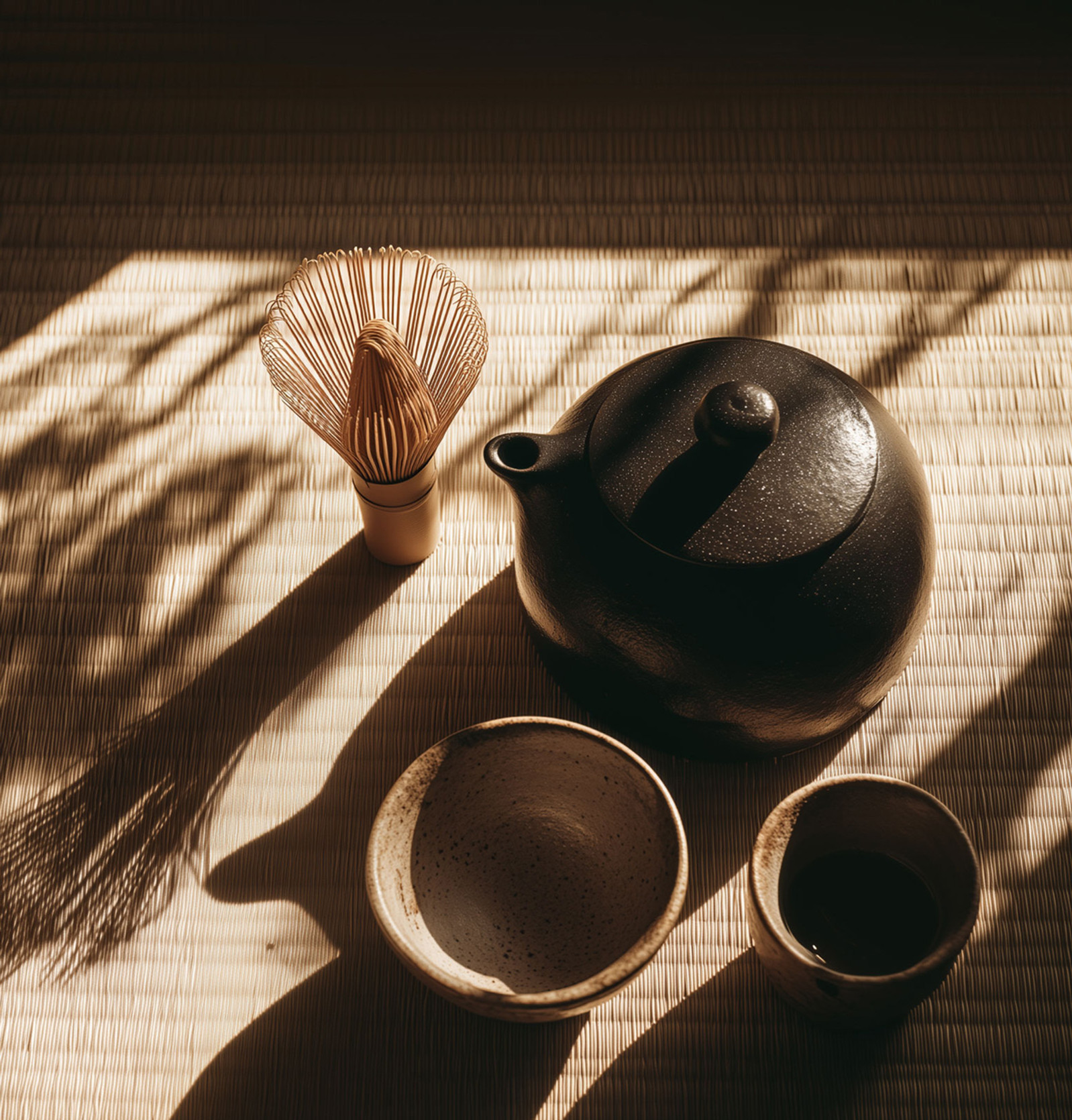
That may be why rituals have lasted through so many changes in how people live. We still have mornings to begin, people to welcome, losses to acknowledge, and evenings to bring to a close. We can give some of those moments a little care, even when all we have is an ordinary room and a familiar way of doing things. The next time you set the table or put the kettle on, you might notice what that small ceremony has been marking all along.


Comments